Photography and The Power to Change
A chance encounter with an Iberian Lynx changed not just Alexandra Surkova's life, but also inspired others to change their ways
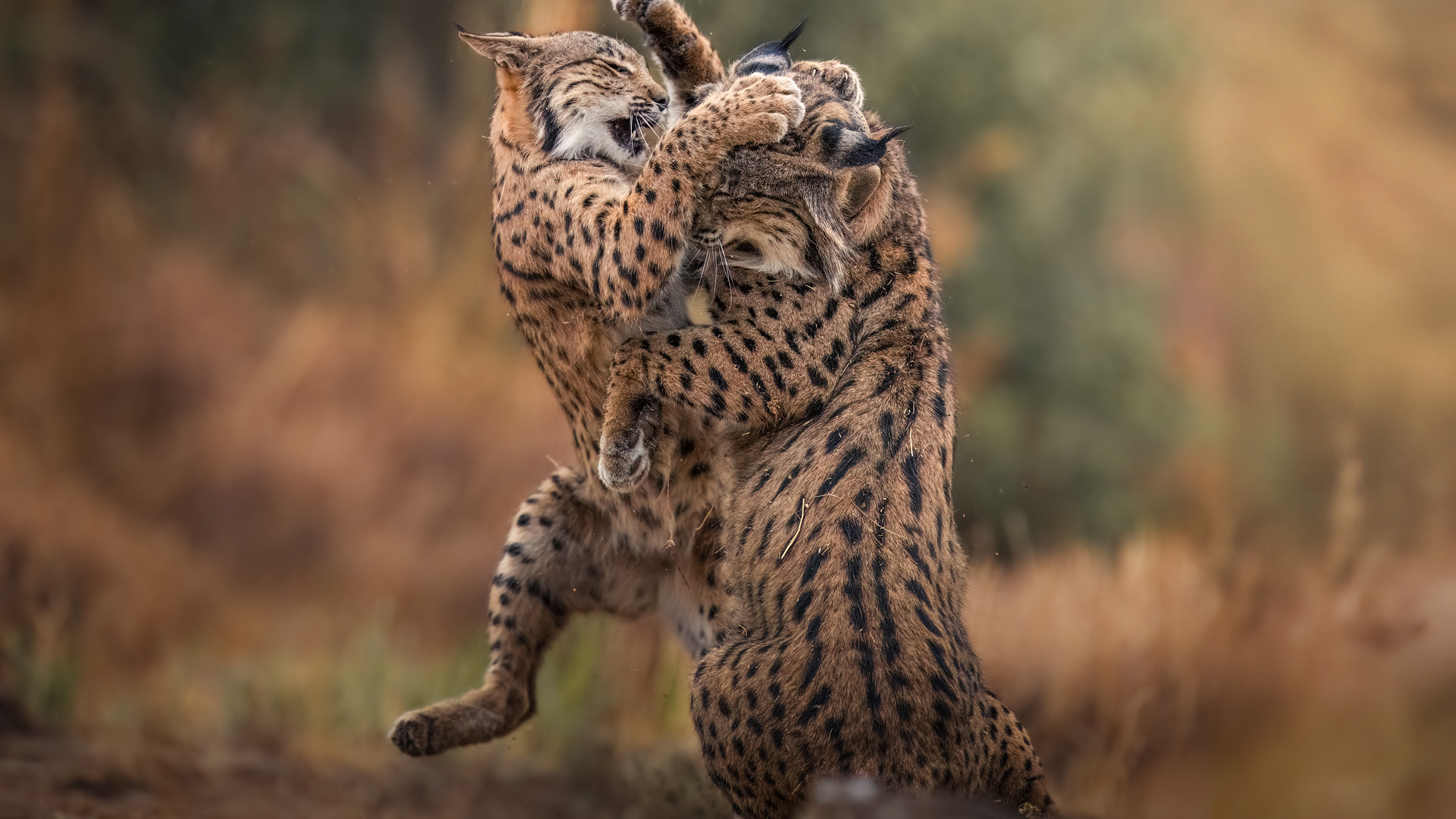
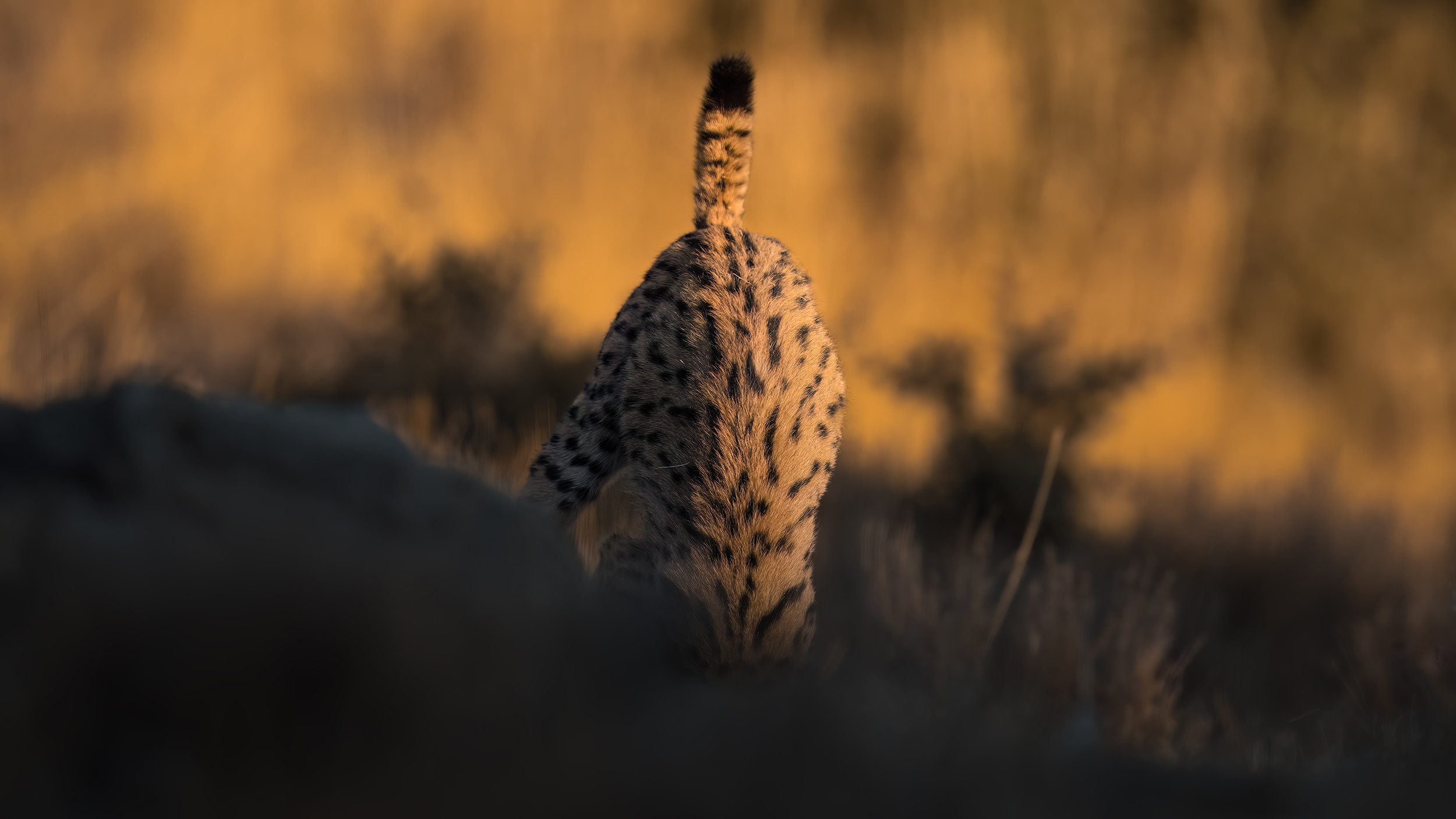
Whilst many photographers praise the power of photography to evoke change, Alexandra Surkova experienced it firsthand. Her passion is photographing the Iberian Lynx - a species of wild cats that is thought to have lived in the Iberian Peninsula for a million years but only 94 Iberian lynx were known to remain as recently as 20 years ago. However now, through conservation work, there are believed to be around 2,000, a fantastic success story for Europe.
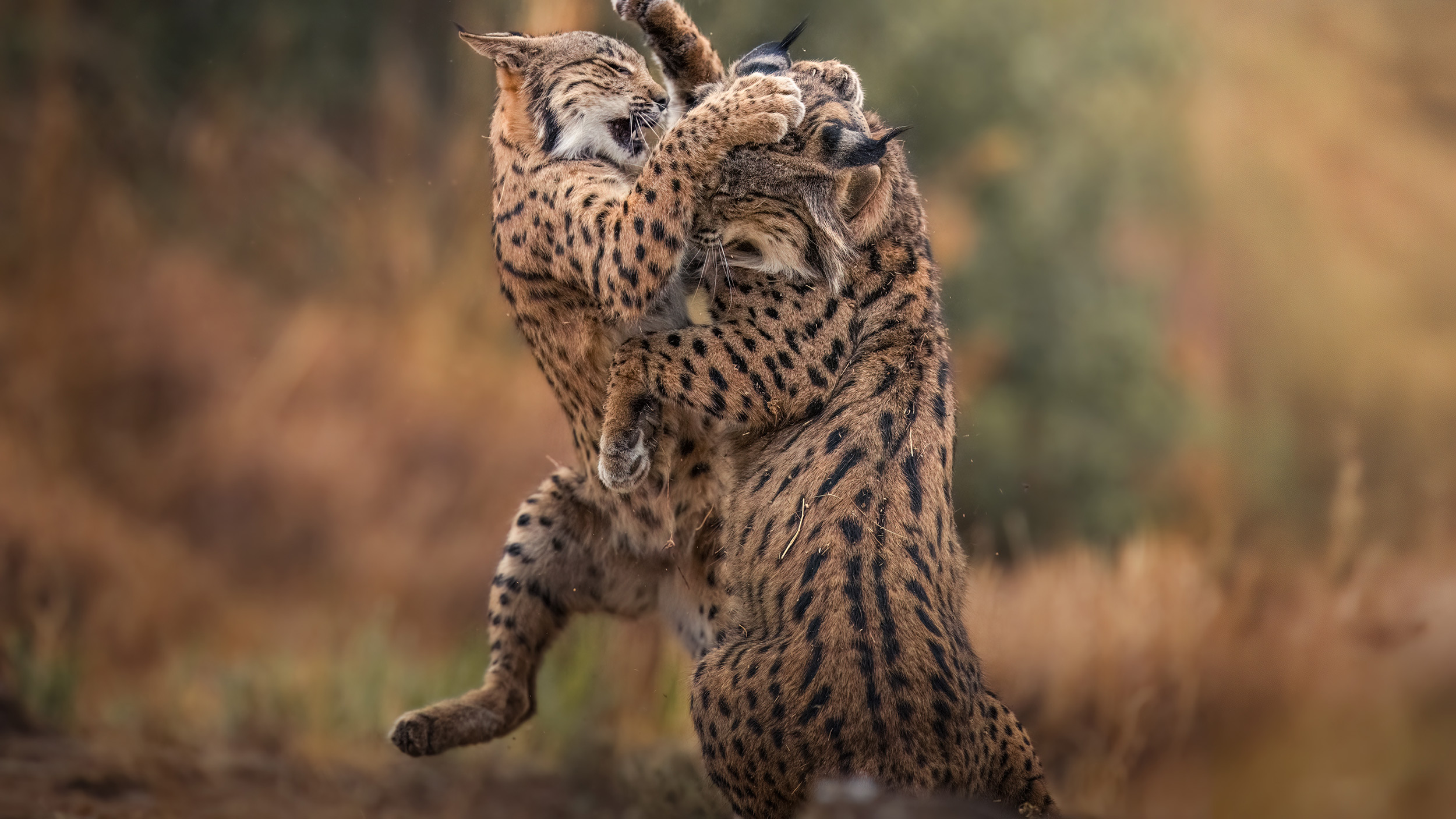
“My first encounter with a lynx changed everything”, says Alexandra. Previously, she had used her camera for street photography, but in 2020, the COVID-19 lockdown and the gift of a Sony FE 200-600mm f//5.6-6.3 G OSS lens changed her passion. “It was five years ago. I went out shooting with the lens, and I saw the lynx. My hands were shaking. Half of my photos were blurry, but right then, I knew that my future life was there. I couldn’t sleep that night because of the sensations. I had seen this super-elusive animal that was so rare to see in the wild.”
From that chance encounter, Alexandra has dedicated herself to wildlife photography of all types, but her love is the lynx. “Even now, when I am alone in the field, and I see the lynx, my hands start trembling. It is never ‘just a photo’. It feels like a conversation with something timeless. A reminder that I’m part of something far greater than myself. A part of eternity.”
The Iberian Lynx live in quite open areas, often in and around the large estates of private olive groves. Here, they can find shelter among old, hollowed olive trees, rocky areas, and shrubs, but there is one key reason the lynx uses olive plantations as their habitat. “They like areas that are full of rabbits”, says Alexandra. “The rabbit is the main source of food for the lynx”. Using the shade of the olive trees for cover, the lynx wait patiently for the rabbits to appear. “If you observe this kind of behaviour, you know where the lynx will look for food. So you try to find these places in shadow where the lynx will stay during the day when it is very hot or where they will hunt for food.”
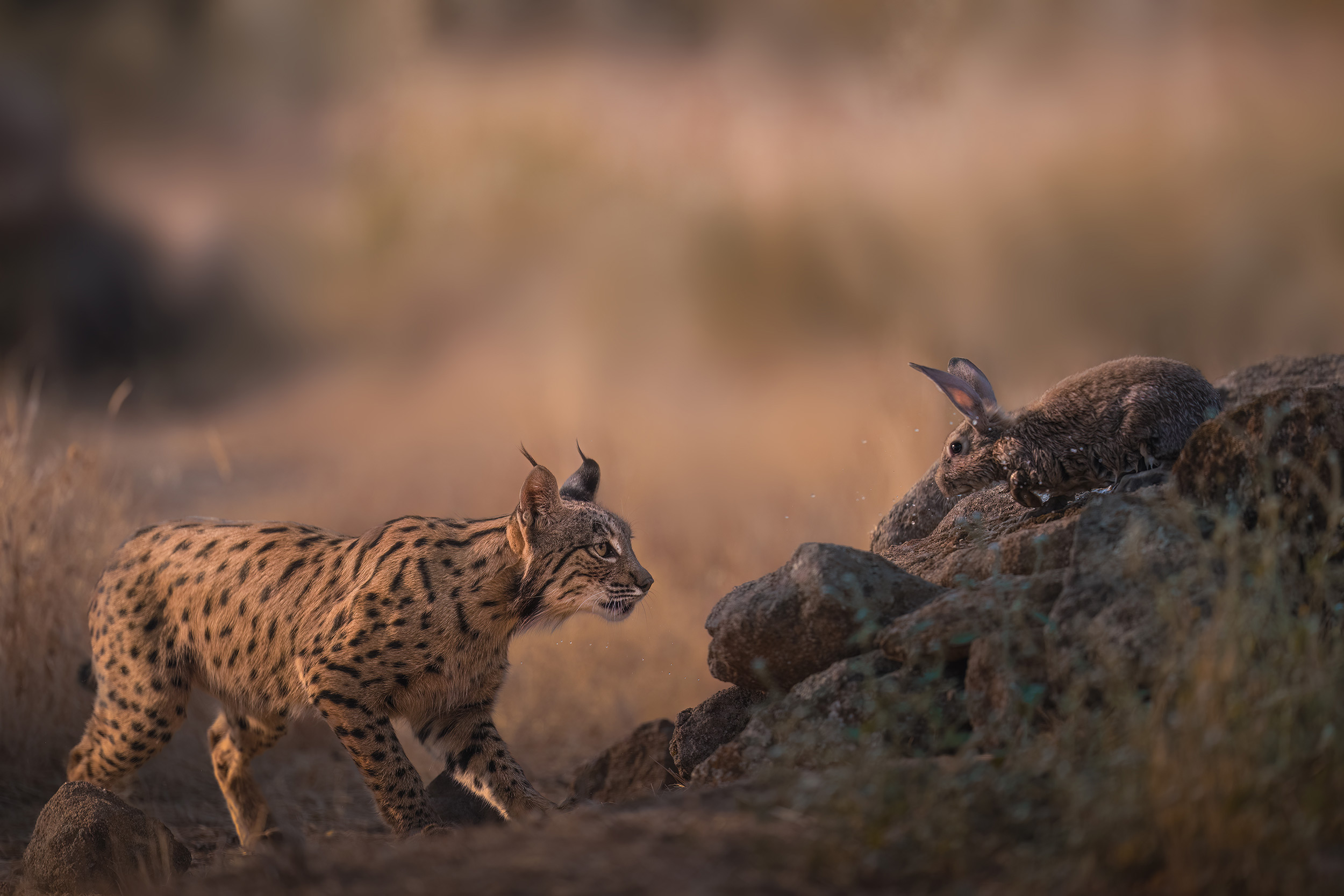
In the summer, the temperature in the olive groves can soar to 40ºC or even 50ºC. In winter, everything changes. The temperature can drop to -3ºC, altering the landscape's structure and colour. The conditions make photographing the lynx a physical challenge for Alexandra, who waits for sightings before heading out with her Sony Alpha 1 II camera and telephoto lenses. “I have a friend who will call me when they see the lynx”, she explains. “They often cross an area of land between two estates. Sometimes I will wait a week for them to cross into the area. I have to be very quiet for as long as twelve or fourteen hours, and I may not see anything at all.”
Working with animals, Alexandra understands the responsibility to balance sharing the wonder and stories of animals like the lynx with making sure her work has a positive impact. “Sometimes”, she begins, “you don’t have to do a lot to protect these animals. Sometimes, all it takes is not doing harm.” With such a large social media presence, Alexandra is acutely aware of the power, not just of her images, but also of her words. “It is not just my friends and family who I am talking to. There are many people who are looking at what I am doing now. Sometimes you could disclose the location of an animal without thinking, and the next day that animal could be killed. It is a great responsibility.”
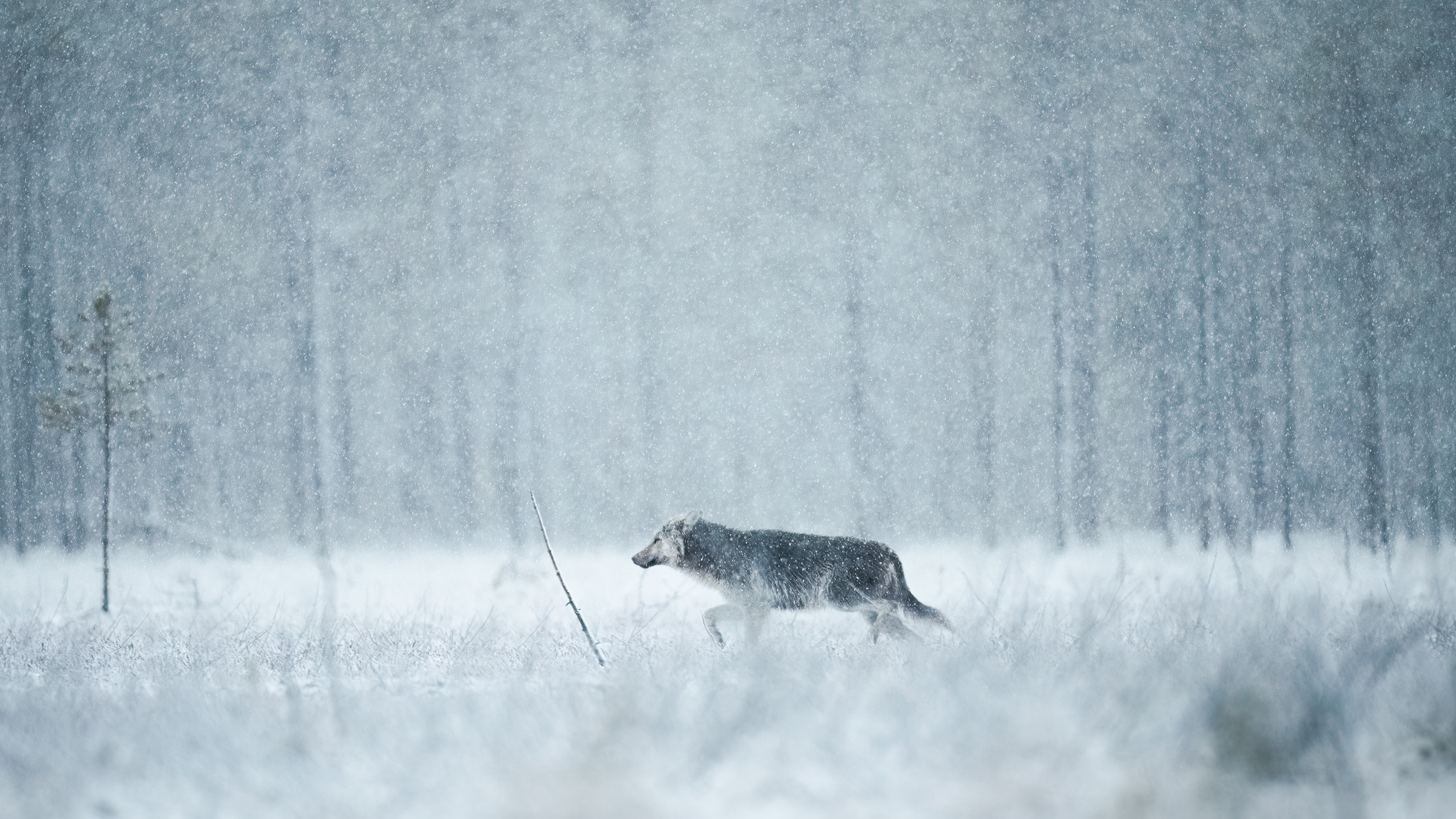
A surprise message to Alexandra on social media perfectly illustrates the power of photography to effect change when used for good. “It was about a year after I had started photographing the lynx. I received a message from a hunter. He wrote to me, saying he had been following me for some time. After looking at my photos, he brought a camera. He decided to go out shooting with a camera, much more than a rifle. That moment changed everything inside of me.”
That message demonstrates just how powerful and important photography is. “It is much more than showing pictures of animals”, she says, “it is about transformation. It is about evoking emotion.” She described that moment as ‘Mission accomplished’, realising that if her work had the power to change one person, it could also change many more.
Alexandra’s Equipment:
- Sony α1 II
- Sony α1
- FE 600mm f/4 GM OSS
- FE 400mm f/2.8 GM OSS
- FE 300mmf/2.8 GM OSS